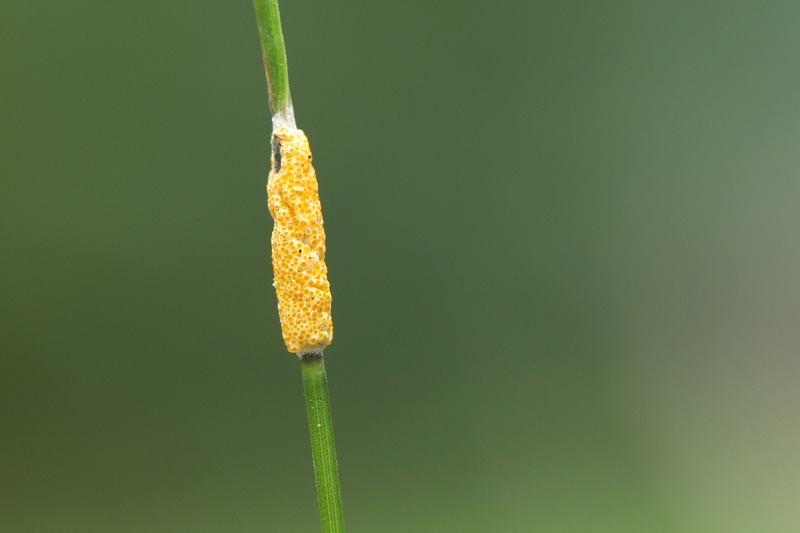
This post will apply to almost all fungal endophytes in Epichloe and Neophytum (formerly Acremonium) that inhabit plants and produce ergot alkaloids. These things are responsible for the ergot content of fescue grass (Festuca arundinacea), Sleepy grass (Stipa robusta), Drunken horse grass (Achnatherum inebrians) and most likely every plant species which has been known to contain ergot alkaloids.
Most literature regarding ergot production is on Balansia epichloe and Acremonium coenophialum, but there are many interesting endophytes in literature and even more yet to be discovered, isolated and enslaved for our selfish needs. One recently discovered endophyte was brought up by jon, Neotyphodium gansuense aka Neotyphodium gansuense var inebrians. This fungus can produce 3g/kg in planta and is closely related to well studied species.
The basic aquisition protocol would be:
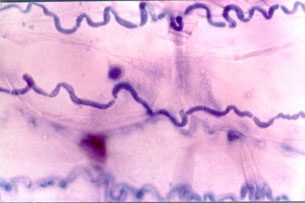
Track down plant material with suspected endophyte infection, this will be very easy to find once you identify your endophyte of choice and host plant. You can stain this plant tissue and look at it under a fairly low power microscope to see a very visible fungal infection penetrating the plant cells. Aggressively surface sterilize a very small amount of plant material and then culture it on antibiotic agar. Discard quick growing colonies and isolate and identify endophyte colonies which grow out a week or so after inoculation. Start a shake culture then a production culture and test for presence of alkaloids by Van urk, or even wet the mycelium with Van urk minus DMAB and heat to 60C, fungus which yields ~.5g+ in culture will be dark blue according to a reference for isolating paspali. These protocols for slide staining and culturing etc are in the zip file attached. Ref 1 includes are very inspiring tale of simple ergot alkaloid aquisition.
You would want to screen endophytes isolated from a variety of plant samples to find a high yielding strain. If you are using coenophialum the average alkaloid production is somewhere around .2-.5g/L with one example in basic culture media producing .7g/L. This endophyte produces somewhere around 30mg/kg of plant material in planta, so thats a pretty good start. These nutrient solutions are very important because they dictate the metabolism of these fungii. It is very easy to have a high yielding strain and produce nothing because of culture medium problems. Lucky for you this information has been tediously studied and published. A few conditions have to be met for these endophytes. This fungus is interesting because to produce any ergot alkaloids they must start in one mixture and then be moved to another, can anyone speculate as to what triggers this by looking at the components. They must start off in M102 medium by Brown, the gentlemen that did decades of research on this. This medium must be put in flasks on a orbital shaker and inoculated from a clean culture. Once the fungus moves from the lag phase (1 week) and well into rapid growth phase (2 weeks) it is moved to the alkaloid production medium. Also in this preliminary stage the strains that sporilate will do so. In literature this fungus is filtered out and put into the alkaloid production medium, which is traditionally just a simple, stationary container. This container simply sits for a 4-8 weeks and you extract the goodies. This method is really for scientists interested in identifying alkaloids, we need to go for yields. I read one mention of using these species in an air-lift bioreactor, which is really a fancy term for aerated container. The damaging effect sheer forces even at low speeds prevent the use of mechanical aggitation for these strains. So shake flasks or bubblers...
You have to keep in mind this literature is made only to identify the ergot alkaloids present not necessarily to max out the production. This is also important when studying literature from growth factors, in some studies I have read a certain condition greatly increased growth but eliminated alkaloid production. So what im saying is the production can be maxed the fuck out
 . I spent a lot of time looking at growth factors of these species and cross referencing nutrient mediums. In most of these cases the authors attributes their information to Brown, so looking through his work I found a simple list of components that includes everything you need to get decent yields in a submerged culture. These mediums as well as more information are in Browns book exerpt attached to this post. There are a few things to keep in mind, certain things are very important to alkaloid production. The mediums must contain KH2PO4 but not in excessive levels, trace minerals, sugars and a nitrogen source. Troptophan will increase yields a few folds. There are also contradictions. In one study Succinic acid was essential for any alkaloid production in Balansia epichloe while another species required Glutamic acid. The amino acid content of the yeast extract in this medium almost compounds the confusion. Many scientists have tried to narrow down the specific amino acids required for this fungus instead of just carpet bombing it with yeast extract (Chemically defined medium in the book and attached as Ref 4). I believe this understanding is essential for maxing out alkaloid production, but for simplicity the yeast extract is used. Also in the seed culture as well as during wild isolation antibiotics can be used. streptomycin sulfate and/or chloramphenicol should be used at the rate of 50mg/L. After reading references until my eyes burned I found these listed out in browns book, and lo and behold these recipies account for every growth factor and alkaloid production factor I have read about. If you are interested check out Ref 3,4 and 5.
 Seed, stage 1 medium (M102):
Sucrose 30g/L
Malt Extract 20g/L
Bacto peptone 2g/L
Yeast extract 1g/L
KCL 0.5g/L
MgSO4 hydrate 0.5g/L
KH2PO4 0.5g/L
pH adjustive to 5.6 to 6 with 10% NaOH
Production medium (M104T)
Sorbitol 100g/L
Glucose 40g/L
Glutamic acid 10g/L // or maybe Succanic acid 10g/L? or maybe citric acid (highest yields with c. paspali) or maybe a combination
KH2PO4 0.5-1.0g/L
MgSO4 hydrate 0.5g/L
NH4CL 2.5g/L // increases alkaloid production in balansia Ref 5
Yeast extract 3.0g/L
DL-Tryptophan 0.8g/L
pH adjustive to 5.6 to 6 with 10% NaOH
A shaker would be a good thing for anyone experimenting in their dreams. One of these can be made by taking an adjustable DC ~200 RPM motor, offsetting the shaft and connecting it to a platform which holds shake flasks/tubes. This platform will be secured by springs and will gyrate at the speed the motor is set at and the offset is determined by the motor mount. Imagine a plastic circle with many holes at various distances from the center, with the center mounted to the motor. These holes could be mounted to the platform depending on your required offset.
At this point some insight into the nutrient medium is needed because this is what eventually with determine yields. We need to mimic the endophytes natural conditions as many speculate that the hosts genetic factors influence alkaloid output more then anything, and the host for all intents and purposes, communicates with the fungi chemically. The biosyntheic pathway is included in the book zip file. Apparently tricks that work for our other favourite fungii Claviceps, work very well for these strains too. It seems like immobilized cell culture may be the most efficient way, it would most similarly represent the in planta environment, the fungus swimming in its own alkaloids probably retards growth whereas in a natural state the plant efficiently moves it away. Just for funsies im going to post a procedure from some college lab that talks about making immobilized cell reactors, which allow 25x higher yields total in C. purpurea and takes the alkaloid production life from 60 days to 200 days. Tsat also mentions an interesting way to do it utilizing a high voltage potential to make very small beads.
Quote
1. Immobilized Cell Preparation:
* Dissolve 9 g of sodium alginate in 300 ml of growth medium, following the same procedure adopted in enzyme immobilization to avoid clump formation. Stir until all sodium alginate is completely dissolved. The final solution contains 3% alginate by weight. See Note 1.
* Thoroughly suspend about 250 g of wet cells in the alginate solution prepared in the previous step. Let air bubbles escape. See Note 2.
* Drip the yeast-alginate mixture from a height of 20 cm into 1000 ml of crosslinking solution. (The crosslinking solution is prepared by adding an additional 0.05M of CaCl2 to the growth media. The calcium crosslinking solution is agitated on a magnetic stirrer. Gel formation can be achieved at room temperature as soon as the sodium alginate drops come in direct contact with the calcium solution. Relatively small alginate beads are preferred to minimize the mass transfer resistance. A diameter of 0.5-2 mm can be readily achieved with a syringe and a needle. The beads should fully harden in 1-2 hours. Note that the concentration of the CaCl2 is about one fourth of the strength used for enzyme immobilization.
Notes
1. To avoid the premature gel formation, the phosphate concentration in the medium must be adjusted to less than 100µM. (* contradictory to above medium)
2. Because cell growth can break the bead and is generally considered undesirable beyond what is needed to compensate for the endogenous decay, the cells used for immobilization ideally should have just entered the stationary phase. An equivalent amount of dried cell culture may also be used in lieu of wet cell paste. The actual cell loading may be varied according to the substrate concentration in the feed and the desired product levels. The ratio of wet weight to dry weight is approximately 4 for most cells.
 Biotechnology of Endophytic Fungi of Grasses - Bacon and White.zip