Author Topic: Short list of Toxic Plants I found.  (Read 170 times)

LYC

  • Pupae
  • **
  • Posts: 55
Short list of Toxic Plants I found.
« on: March 29, 2009, 06:23:53 AM »
I found this to be mildy interesting and it might be of some use to you guys.
This PDF shows the pictures of the plants, the name and structure of the molecule, and the symptoms, and sometimes their pharmacological activity.
I think it looks almost like the MDMA, or the PEA analogue of the molecule is hiding out in protopine, which is found in bleeding hearts.  I wonder if that has any potential at all? Probably not, looks hard to break down into anything useful.

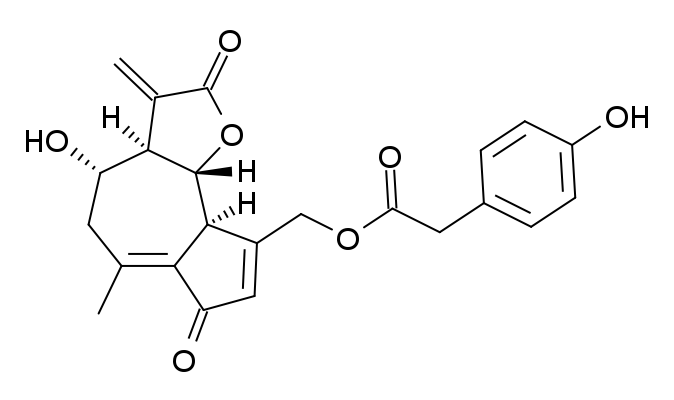
Methyllycaconitine, which is found in larkspur also looks really interesting, it took me a while to remember what I thought it looked like, and I think it has a lot of resemblance to lactucopicrin.
compare the them side by side, I've uploaded lactucopicrin to make it easier to compare the two.

Any other interesting ones?

Vesp

  • Administrator
  • Foundress Queen
  • *****
  • Posts: 3,130
Re: Short list of Toxic Plants I found.
« Reply #1 on: March 29, 2009, 06:26:56 AM »
Hmm you are right, they do appear to have a similiar shape. I wonder if it also acts as an enkephalinase inhibitor, or if lactucopricrin acts at all like methyllycaconitine? I'm going to read up on that right now.

EDIT:... err just compared the two again, and I didn't notice part of the molecule. I'd say they look pretty different now. Well that was a let down haha
« Last Edit: March 29, 2009, 06:28:43 AM by Vesp »
Bitcoin address: 1FVrHdXJBr6Z9uhtiQKy4g7c7yHtGKjyLy

xxx

  • Larvae
  • *
  • Posts: 4
Re: Short list of Toxic Plants I found.
« Reply #2 on: April 01, 2009, 07:47:23 PM »
A short list of a few toxic plants and a few links, and other shite.

Plant Name: Cerbera odollam
Active Ingredient (s): cerberine, a cardioglycoside similar to digoxin/ Foxglove digitalis.
Additional Data:
Not a nice to eat plant, grows easily, looks lovely.

Plant Name: Castor bean
Active ingredient: Ricin

Plant Name: Atropa Belladonna
Active Ingredients: Atropine, tropane alkaloids.

Plant Name: Datura
Active Ingredients: tropane Alkaloids

Plant name: Foxglove
Active Ingredients: Cardiac digitalis thingy

Plant name: Hemlock
Active Ingredients: ******

Plant Name: Wolfsbane/ Monkshood
Active ingredient: Acontine

Plant Name: Rosary Pea
Active Ingredient: Abrin


Links of Interest:

http://ntp-server.niehs.nih.gov/htdocs/Chem_Background/ExecSumm/ChaconineSolanine.html
http://toptropicals.com/catalog/uid/cerbera_odollam.htm
http://www.aros.net/~lambo/dulcamara/dulcamara01.htm
http://www.highfiber.com/~galenvtp/vtlafltx.htm
http://www.gulflink.osd.mil/bw_ii/bw_tabf.htm
http://www.usda.gov/gipsa/newsroom/backgrounders/b-aflatox.htm
http://en.wikipedia.org/wiki/Georgi_Markov#Attack_and_death
http://www.brooksidepress.org/Products/OperationalMedicine/DATA/operationalmed/Manuals/Standard1stAid/chapter3.html
http://23.1911encyclopedia.org/A/AM/AMYGDALIN.htm
http://upload.wikimedia.org/wikipedia/commons/thumb/6/66/Cerberin.svg/200px-Cerberin.svg.png
http://www.roguesci.org/theforum/battlefield-chemistry/1561-foxglove-digitalis.html
http://www.ansci.cornell.edu/plants/
http://plantanswers.tamu.edu/publications/poison/poison.html
http://www.pubmedcentral.nih.gov/articlerender.fcgi?artid=1319007
http://www.powen.freeserve.co.uk/Reference/Poisonous/poison%20index.htm
http://www.ars-grin.gov/duke/farmacy.html
http://www.henriettesherbal.com/eclectic/usdisp/oenanthe.html
http://www.botanical.com/botanical/mgmh/h/hemwat19.html
http://www.gardenorganic.org.uk/organicweeds/weed_information/weed.php?id=110
http://en.wikipedia.org/wiki/Coniine
http://en.wikipedia.org/wiki/Digitalis
http://en.wikipedia.org/wiki/Cardiac_glycoside
http://www.chm.bris.ac.uk/motm/hemlock/synthesis.htm
http://home.conceptsfa.nl/~boogaar1/ganeralalkaloidextraction.htm

List of some toxic/ poison plants and fungi and such, from RogueSci, Survival Manuals and other sources.

Azalia
Cherry tree
Autumn crocus
Black Locust
Californian Laurel
Cedar
Cyclamen
Monteray cyprus
Daphne
Delphinium
Flax
Geranium
Heather
Hickory
Horse Chestnut
Ivy
Laburnum
Lupine
Moosewood
Morning glory
Oleander
Peony
Rhododendron
St Johns Wort
Wisteria
Yew

Toxic Fungi:
Death Cap – Amanita phalloides
Destroying Angel – Amanita Virosa
Fly Agaric – Aminata muscaria
Panther Cap – Aminata Pantherina
Common Earthball – Scleroderma Citrinum
Beechwood Sickener – Russula Mairei
Leaden Entoloma – Entoloma Sinnuatum
Inocybe – Patouillardii
Boletus Erythropus
False Chanterelle – Hygrophoropsis Aurantiaca
Paxilus Involutus
Cortinarius Speciosissimus

Random:
The fatal dose of atropine is not known; doses
of 200 mg have often been used therapeutially for mental illness, and as much as1000 mg has been survived. In children, 10 mg or less may be lethal.


Table 25?3. EFFECTS OF ATROPINE IN
RELATION TO DOSAGE

DOSE EFFECTS
0.5 mg Slight cardiac slowing; some dryness of mouth; inhibition of sweating

1.0 mg Definite dryness of mouth; thirst; acceleration of heart, sometimes preceded by slowing; mild dilatation of pupil

2.0 mg Rapid heart rate; palpitation; marked xerostomia; dilated pupils; some blurring of near vision

5.0 mg All of the above symptoms marked; speech disturbed; difficulty in swallowing; restlessness and fatigue; headache; dry, hot skin; difficulty in micturition

10.0 mg Above symptoms more marked; pulse
and rapid and weak; iris practically obliterated; vision very blurred; skin flushed, hot, dry, and scarlet; ataxia, restlessness, and excitement; hallucinations and delirium; coma.


Symptoms arid Signs. These develop promptly after ingestion of the drug. The mouth becomes dry and burns; swallowing and talking are difficult or impossible, and there is marked thirst. The vision is blurred and photophobia is prominent. The skin is hot, dry, and flushed. A rash may appear, especially over the face, neck, and upper part of the trunk; desquamation may follow. An atropine rash is more likely to occur in children. The body temperature rises and, `especially in infants, may reach alarming heights (109 ° F or more). The pulse is weak and very rapid, but in infants and old people tachycardia may not be pronounced. Palpitation is prominent, and the blood pressure is elevated. Urinary urgency and difficulty in micturition are sometimes noted. Abdominal distention may develop, especially in infants.
The patient is restless, excited, and confused, and exhibits weakness, giddiness, and muscular incoordination. Gait and speech are disturbed. Nausea and vomiting sometimes occur. The behavior and mental symptoms may suggest an acute organic psychosis. Memory is disturbed, orientation is faulty, hallucinations (especially visual) are common, the sensorium is clouded, and mania and delirium are not unusual. The diagnosis of an acute schizophrenic episode or alcolhic has been mistakenly made.

From The Pharmacolcgical Basis of Therapeutics by Goodman and Gilman


Ah fuck I am tired. Goodnight.

Vesp

  • Administrator
  • Foundress Queen
  • *****
  • Posts: 3,130
Re: Short list of Toxic Plants I found.
« Reply #3 on: April 01, 2009, 10:29:38 PM »
Nice list, yeah atropine, scopolamine and all those other muscarinic acetylcholine antagonists that are found in datura Sp. and atropa belladona are pretty nasty suckers!

A datura leaf once touched my eye, or perhaps I rubbed my eyes after pruning my plants. The eye was completely dilated for close to a day. It looked very weird and was pretty scary since I noticed my eye after I had taken some supplements, not realizing what had happened made me freak out a lot worse.
Bitcoin address: 1FVrHdXJBr6Z9uhtiQKy4g7c7yHtGKjyLy

Sedit

  • Global Moderator
  • Foundress Queen
  • *****
  • Posts: 2,099
Re: Short list of Toxic Plants I found.
« Reply #4 on: April 03, 2009, 08:11:39 PM »
Try eating some of the Datura.
This is a combination of tropines also and by far the stanger to the trips one could ever take. Dilation of the eyes can last for over 24 hours.

Its kind of likened to a waking dream and where as I have never had a bad experiance off of it many of the people I told about it did and Im sure the ER and Psych wards where ripping there hair out around that time because information spreads faster the one may like. Funny part is the information on how to get a buzz speads but the proper use of it seemed to stay with me and maybe one other that used it responsibly. I know personaly of atlest 5 people that went away for a short while after consuming it.

LOL a close freind of mine went running down the street in his underware chasing after the glow in the dark chip monks that had been messing with him all night. He went home and promply wipped it out and started to urinate all over the floor in front of his family while they where watching TV. He later told me he thought he was in the bathroom. Him and the other guy that took it with him got an a two week all exclusive paid vacation to the mental ward.

Another dude went home and sat at his computer talking to people that wernt there while his mother sat and watched him and tryed to talk to him with out him even knowing they where there. Luckly for him his family where all a bunch of ex stoners and thought that he had gotten ahold of some strong PCP laced weed.

Moral of these storys are... 1 pod strange but controlable trip.... anymore then that your in for a bad situation.
Dont take my word on the dosage either because it can vary from plant to plant but 1 pod from many differnt plants always gave me the same effect.

If not for the side effects I would do it again but the dehydration is just to much to bare and your near sited vision is shot for about 3 days so the toxic aspects of it can make them selfs all to appearnt.
There once were some bees and you took all there stuff!
You pissed off the wasp now enough is enough!!!

xxx

  • Larvae
  • *
  • Posts: 4
Re: Short list of Toxic Plants I found.
« Reply #5 on: April 03, 2009, 08:21:42 PM »
I am working on data on 80 toxic plants. Here is the list for starters - if you have data on ANY of them post it!

Alyssum
Atropa Belladonna
Azalia (Rhododendron occidentale)
Black Acacia (Robinia pseudoacacia)
Black Locust (Robinia pseudoacacia)
Bleeding heart (Dicentra formosa)
Cardinal Flower (Lobelia cardinalis)
Carolina Jasmine (Gelseium)
Castor Beans (Ricinus communis)
Chameleon Flower (Atractylis gummifera)
Cherry Tree (Prunus)
China Berry (Melia azedarach)
Christmas Rose (Helleborus niger)
Clematis (Botanic name)
Crocus, Autumn (Colchicum autumnale)
Crown Vetch (Coronilla varia)
Cyclamen (Botanic name)
Cypress, Monterey (Cupressus macrocarpa)
Daphne (Botanic name)
Delphinium (Species)
Dusty Miller (Senecio species)
Euonymus (Botanic name)
Flax (Linum usitatissimum)
Foxglove (Digitalis purpurea)
Geranium, California (Senecio petasitis)
Ginkgo biloba (Botanic name)
Gopher Plant (Euphorbia lathyris)
Gopher Purge (Euphorbia lathyris)
Heather (Calluna vulgaris)
Heliotrope (Heliotropum arborescens)
Helleborus (Botanic name)
Hemlock, Common (Conium maculatum) 4
Hemlock, Water (Cicuta maculata)
Ivy (Hedera helix)
Jequirity Bean (Arbus precatorius)
Jimson Weed (Datura stramonium)
Kaffir lily (Clivia miniata)
Lantana camara (Botanic name) 4,7
Larkspur (Delphinium species) 4,7
Lenten Rose (Helleborus orientalis)
Licorice Plant (Clycycrrhizia lepidata)
Lily of the Valley (Convallaria species)
Lobelia (Species)
Loquat (Eriobotyra japonica) 4,7
Love-in-a-mist (Nigella damascena) 4,7
Love-lies-bleeding (Amaranthus caudatus) 4,7
Lupine (Lupinus) 4,7
Mock Orange (Prunus caroliniana)
Monkshood (Aconitum napellus
Morning Glory (Ipomea species)
Mountain Laurel (Kalmia latifolia)
Nightshade, Black (Solanum nigrum)
Oleander (Nerium oleander)
Ornamental Pepper (Solanum pseudocapsicum) 4,7
Ornamental Plum Tree (Prunus species) 4,7
Paperwhites (Narcissus pseudo-narcissus)
Peach Tree (Prunus persica)
Peony (Paeonia officinalis)
Photina arbutifolia (Botanic name)
Pieris japonica (Botanic name)
Potato Plant (Solanum tuberosum)
Pregnant Onion (Ornithogalum caudatum)
Rhododendron (Species)
Rosary Beads (Senecia rowleyanus)
Rosary Bean (Abrus)
Rosary Pearls (Senecio rowleyanus)
Sago Plant (Cycas revoluta)
Silver Mound (Artemisia schmidtiana)
Snow on the Mountain (Euphorbia marinata)
St. John's Wort (Hypericum calycinum)
String of Pearls (Senecio rowleyanus or herreianus)
Tomato (Lycopersicon lycospersicum)
Toyon (Photinia arbutifolia)
Walnut Tree, Black (Juglans nigra
Windflower (Anemone japonica)
Yellow Locust (Robinia pseudoacacia)
Yellow Jessamine (Gelsemium)
Yew (Taxus species)

Thanks in advance for your help on this - I need as much help as possible.

Vesp

  • Administrator
  • Foundress Queen
  • *****
  • Posts: 3,130
Re: Short list of Toxic Plants I found.
« Reply #6 on: April 03, 2009, 11:47:25 PM »
Nice list hex, can't wait to see the alkaloids that are in all of those.


Sedit, that is possibly the funniest thing on this forum
Quote
LOL a close freind of mine went running down the street in his underware chasing after the glow in the dark chip monks that had been messing with him all night. He went home and promply wipped it out and started to urinate all over the floor in front of his family while they where watching TV. He later told me he thought he was in the bathroom. Him and the other guy that took it with him got an a two week all exclusive paid vacation to the mental ward.

hahaha yeah I've never tried it, I've heard of too many people going to the ER from it. But I have enough seeds to kill several elephants.. I think I have around 2lbs of Datura Inoxia seeds possibly a bit less or more, I can't remember.

Bitcoin address: 1FVrHdXJBr6Z9uhtiQKy4g7c7yHtGKjyLy

Vesp

  • Administrator
  • Foundress Queen
  • *****
  • Posts: 3,130
Re: Short list of Toxic Plants I found.
« Reply #7 on: April 06, 2009, 02:26:44 AM »
This isn't to terribly off topic, it is about datura. I found these videos kind of fun to watch
http://www.youtube.com/watch?v=u12SZAyMp54
http://www.youtube.com/watch?v=pXjX82qJ3O0

This article with the videos are pretty interesting as well, I'd like to find the entire documentary they took that clip from
http://www.sobercircle.com/Article.aspx?Article_ID=8

and just for fun, here is a song about moonflowers, I think I might have posted it here already, but I like it.
http://www.youtube.com/watch?v=fo6ekBEXGLQ
Uploaded the MP3 of the song for anyone who would want it.
Bitcoin address: 1FVrHdXJBr6Z9uhtiQKy4g7c7yHtGKjyLy

ergoamide

  • Larvae
  • *
  • Posts: 3
Re: Short list of Toxic Plants I found.
« Reply #8 on: October 01, 2009, 01:16:36 PM »
Aconitum napeluss is by far the worst of these as it's active poison aconitum has an extremely low therpuetic index but is hallucinogenic. Simply by touching the root or andother crushed part of the plant with your bare hand you can absorb a lethal dose and willl die a painful death by cardiac and respirartory arrest. Some modern day people have tried it, as it is believed this plant is where the whole witches flying on broomsticks came from as it induces a sense of falling or flying in the user and was allegedly a popular addition to their 'potions', but most if not all people whpo have tried it in modern days have died from over consumption, it only takes a tiny bit too much and there's not much they can do for you.

xxx

  • Larvae
  • *
  • Posts: 4
Re: Short list of Toxic Plants I found.
« Reply #9 on: October 02, 2009, 04:35:51 PM »
Try datura steeped in tequila. Only a shot or two. The subject observed was fucked

Tsathoggua

  • Autistic sociopath
  • Foundress Queen
  • *****
  • Posts: 662
Re: Short list of Toxic Plants I found.
« Reply #10 on: March 31, 2010, 12:35:25 AM »
IIRC the use in witches brews was in part to lessen cardiac side effects from all the solanaceous plants they used, given that small doses slow the heart rate.
Nomen mihi Legio est, quia multi sumus

I'm hyperbolic, hypergolic, viral, chiral. So motherfucking twisted my laevo is on the right side.

Tsathoggua

  • Autistic sociopath
  • Foundress Queen
  • *****
  • Posts: 662
Re: Short list of Toxic Plants I found.
« Reply #11 on: March 31, 2010, 04:17:32 AM »
I'll share my knowledge of some of the british nasties, including commonly grown garden plants.

Aconite, containing aconitine, pseudaconitine, and quite a few other related alkaloids, extremely lethal, paralysing, induces cardiac arrythmia
Can be absorbed easily through skin, even from handling the cut plant or pats of it.

Aconitine blocks TTX-sensitive Na++ channels.


Hemlock (Conium Maculata) contains Coniine (2-propylpyridine), a toxic, volatile pyridine with a fairly sweaty, sour, fetid smell (as does the plants crushed leaves)

Acts as a non-depolarising neuromuscular blocking agent, and I just bet it can be absorbed through the skin quite easily, given its similarity to nicotine.


Hellebores:

Black hellebore (Helleborus niger) contains anaemonin type compounds, which act as irritants, some related species contain cardiotoxic glycosides, H.niger is common in gardens and as an escape.

Veratrum species (false hellebores) are extremely toxic, far more so than the Helleborus species, the root especially, containing the toxic steroidal alkaloids veratrine, veratridine, jervine, pseudojervine, and cyclopamine (which is a potent teratogen)

The veratrine type alkaloids open sodium channels (TTX-s type I think, although at a seperate binding site from tetrodotoxin), causing arrythmia and bradycardia, and a massive drop in BP, of some Veratrum species as little as half  gram of root has caused fatality.

The jervines are interesting IMO, specifically cyclopamine, which blocks the activity of a gene called sonic hedgehog, involved in regulating morphological development of fetuses, and causes cyclopia, along with some pretty nasty mutations of the face.

Jervine itself is also found in some members of the genus Zigadenus (american, I am unaware of its presence in the UK) also known as death camas.


Water hemlock and hemlock water dropwort (Oenanthe Crocata and Circuta virosa contain polyacetylenic compounds called oenanthetoxin and circutoxin respectively, which act as noncompetitive antagonists (inverse agonists?) at GABAa, and circutoxin at least is a cholinergic neurotoxin, whos method of action specifically is unknown to me, these two plants are EXTREMELY lethal, and between the two of them, probably the deadliest native to britain.

Fungi of the genus Inocybe

Common, large group of basidiomycte fungi, most not larger than a few inches in diameter (cap), almost all are an identification nightmare, requiring microscopic analysis, usually small and brown, two or three species contain a quaternary tryptamine derivative, aruginescin, although almost all others are inedible and most are toxic, containing the quaternary ammonium cholinergic neurotoxin muscarine, and unlike in Amanita Muscaria, which bears traces of it, Inocybe species contain enough to kill, notably the red staining inocybe (I.patouilladii), I.napipes and a few others have caused deaths.

Fungi of the genus Amanita


Contain two, perhaps three main groups of toxins, discounting traces of muscarine here and there, and also discounting the orthosteric GABAa agonist muscimol.

Amatoxins (and the related phallotoxins and virotoxins, the latter found in conjunction with amatoxins in A.Virosa and most likely A.Verna, phallotoxins are inactive orally, although deadlier than cyanides if injected, in terms of weight potency)

These inhibit RNA polymerase type II, and target the liver, inhibiting protein synthesis and causing massive cellular damage, and exhibit a delayed action, typically 8-12 hours after poisoning do signs first appear, by which time damage is already done, amatoxins also undergo repeated enterohepatic reabsorption, recirculating the toxin in the intestine and sending it back to the liver for another round of destruction.

A.proxima and A.smithiana contain some funky aminoacid nephrotoxins with a rapid onset of activity.

There is also traces of a neurotoxin in A.pantherina, which also has been used recreationally like the fly agaric, which acts as a kainate/AMPA receptor binding excitotoxin
stizolobic and stizolobinic acids, these are active in very low ranges, incidentally I have read anecdotal reports of A.pantherina use causing long-lasting memory problems post use, I wonder if these are why.

Comparably structurally similar to KA selective excitotoxins from Clitocybe acromelalga, the acromelic acids, some of which are active in attogram quantities!! and cause long lasting post ingestion allodynia, and I just bet a lethal dose of acromelic acid(s) would be small enough, and odd enough, to be bloody difficult to trace forensically, and would cause months of suffering even if it didn't kill.

Some Entoloma (sinuatum, lividum in particular) contain as yet unknown gastrointestinal irritants, which may be fatal in some, E.sinuatum is known well to be really nasty, and has a reputation for a very rapid onset of action.

Cortinatius spesiosissimus, C.orellanus, possibly C.bolaris, contain orellanin, a bipyridyl nephrotoxin that causes seriously delayed kidney failure (by weeks or more, dose dependently)



Nomen mihi Legio est, quia multi sumus

I'm hyperbolic, hypergolic, viral, chiral. So motherfucking twisted my laevo is on the right side.

xxx

  • Larvae
  • *
  • Posts: 4
Re: Short list of Toxic Plants I found.
« Reply #12 on: April 02, 2010, 07:44:38 PM »
Hellebore... An old book on archery said that 'the extract of hellebore... Applied to arrowheads... Will drop a deer before it has ran a hundred paces'

Now, that got me thinking.

With plants like THAT, and the amount you can fit on an arrowhead is rather small... I am surprised people these days don't end up poisoned more often!

salat

  • Dominant Queen
  • ****
  • Posts: 276
Re: Short list of Toxic Plants I found.
« Reply #13 on: May 11, 2010, 03:40:48 PM »
Mode of ingestion is REAL important when dealing with plants.  I don't recall the details, but there was one otherwise "good for you" type herb that had a saponin that if injected would basically cause your blood cells to explode.  (hope that's not too techie sounding!)
salat
Salat

drone1240

  • Subordinate Wasp
  • ***
  • Posts: 105
Re: Short list of Toxic Plants I found.
« Reply #14 on: May 11, 2010, 07:49:32 PM »
I am working on data on 80 toxic plants. Here is the list for starters - if you have data on ANY of them post it!

Around my yard I think one of the worst or at least one that I have had interaction to is Oleander (Nerium oleander) One can be poisoned from honey produced by the said nectar. I was trimming trees as a kid and whipped my eyes unbeknowst to the fact that they were oleander and got lit the fuck up. Pink eye, a bad rash on my face and a new respect for this shrub.Toxic goodies are listed below and yes it can be fatal.
Digitoxigenin
Neriin
Oleandrin
Oleondroside
Elephant Ear (Colocasia esculenta)  has calcium oxalate in it and will burn ya up as well. If Elephant ears where club coke than Jack in the pulpit (arisaema triphyllum) is base and will compromise air ways and can lead to death as well.
Croton (codiaeum variegatum) has 5-deoxyingenol and the latex is irritating. Not really that big of a deal but they're in my yard and they toxic.

Foxglove (Digitalis purpurea) I don't have it growing in my yard but it is a plant worth noting due its high toxicity and high medical merit. A OG once told me that naunces could be eradicated with a hotshot of digitalis and C. It would blow thier heart straight out thier chest and would be linked to cardiac arrest from the C. I was told this way before the internet and CSI were prevalent. Not being into that type of mayhem I dismissed the statement until I was riffling through pa's medicine cabinet looking for some Loracets and found digoxen. I researched it deeper after that and was amazed at the power of the Fox glove. There is not much difference in weight from ineffective dose to a fatal one. And yes I know School was wrong about some one not linking a fatal overdose to digoxon toxicity. What he think I was a fourth grader? The man did have my respect though..... no one had ever shown me PAA or NaCN before him....... shit I am ranting, I need to be looking for a fucking job.....D
« Last Edit: May 11, 2010, 07:53:31 PM by drone1240 »
acting in accordance with the dictates of reason....

Tsathoggua

  • Autistic sociopath
  • Foundress Queen
  • *****
  • Posts: 662
Re: Short list of Toxic Plants I found.
« Reply #15 on: May 12, 2010, 04:17:09 PM »
One interesting toxin, although not a plant, and I bet easy to get away with is diamphotoxin, produced by larvae of leaf beetles in the genus Diamphidia, its unusual composed of a protein and a low weight, small molecule toxin, which is unstable, the protein complexing it andpreventing the lethal factor from inactivation, it opens pores in pretty much all cells, particularly myocytes and lysing red blood cells, causing truly massive ruly massive haemolysis and associated rhabdomyolysis.

The san bushmen use it as an arrow poison, they only have small, low powered primitive hunting bows, but are capable of dropping an elephant with those arrows, simply following it for up to a week before it drops, according to some references, it takes as little as half a picogram to kill a mouse.
Nomen mihi Legio est, quia multi sumus

I'm hyperbolic, hypergolic, viral, chiral. So motherfucking twisted my laevo is on the right side.