


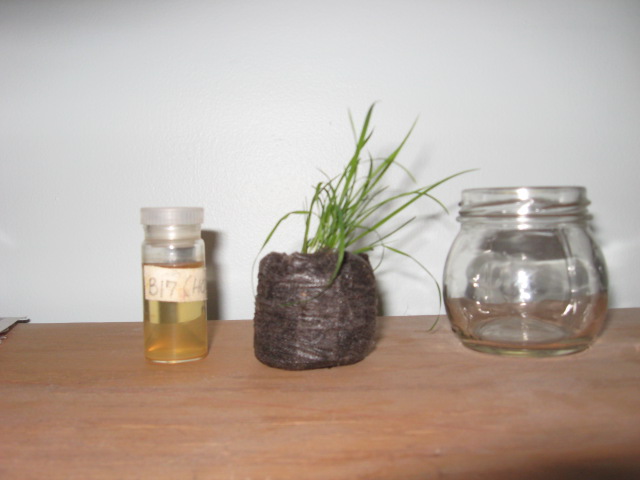
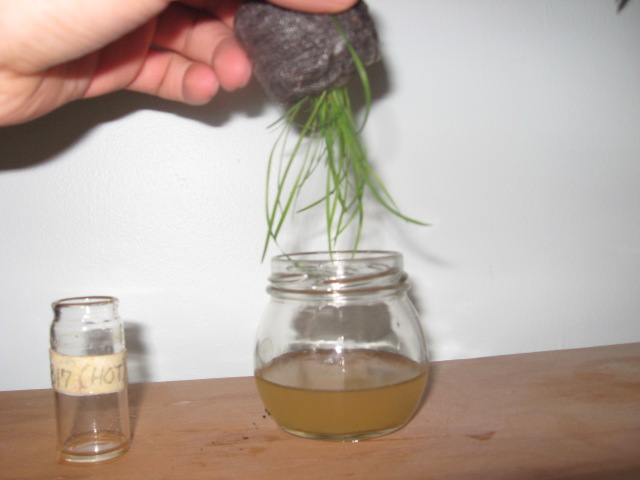
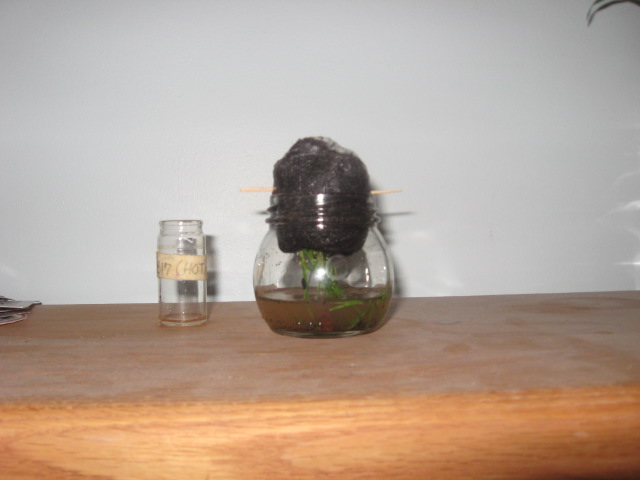
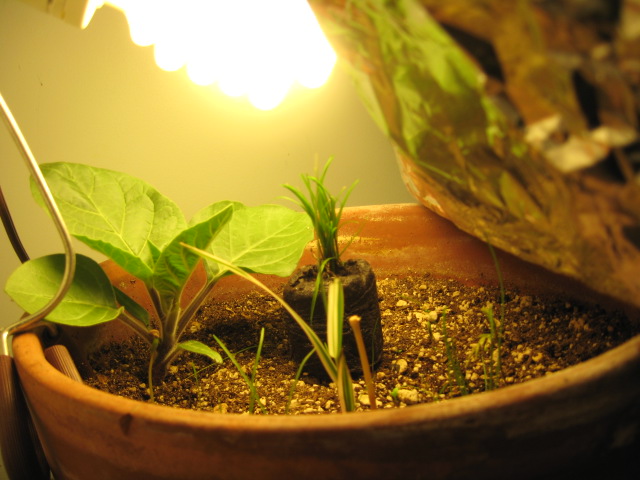
See pictures with instructions in PDF at the bottom!
How to Induce Polyploidy in Plants & Seeds via Colchicine.
Introduction: Polyploid plants often have desirable traits such as increased growth rate, largerblooms, higher alkaloid content and other qualities compared to the non-polyploid counterpart.
Inducing polyploidy is also one method to overcome the sterility of a hybrid plant species.
What you'll need:
• Solution of Colchicine
• Plants, or Seeds
• Jar (to soak the plants in)
• Water
By Way of Established Plants.
Step 1.Soak the plant(s) upside down in a solution of colchicine. It is important to make sure you do
not soak them to long, or let the colchicine solution touch the plants roots as doing both the former and
later may kill the plant. If you did not soak the plant long enough only part of it will become
polyploidy.
Since each type of plant is different, and the assumed homemade solution of colchicine varies in
concentration as well, advice on how long to soak the plants cannot be given. Other variables will
apply such as temperature and tonicity.
Step 2.
Once the plant has soaked in the solution for the proper amount of time, take it out and rinse it
once briefly with some clean water. This will take off the impurities found in the colchicine extraction
which can cause problems later.
Step 3.
Now that the plant has had the the colchicine solutions rinsed off, place it back into its normal
growing conditions. Its growth will be stumped for several days because of the colchicine.
Step 4.
Since colchicine did not get on the roots, your plant isn’t completely polyploidy. In order to get
a completely polyploidy plant wait until it seeds or take a cutting. If you take a cutting, root and
transplant it in to suitable conditions to assure its survival.
By Way of Seed.
[/b]Step 1.
Soak your seeds in a solution of colchicine. It is important to note that the faster the seed
absorbs the solution, the less time it will need to be soaked. Seeds that are resistant to absorbing the
solution may be nicked to encourage absorption. Soaking the seeds longer then needed will result in
death. It is good to make sure the germination rate has been significantly lowered. A lowered
germination rate will mean some of the seeds were killed by colchicine. This suggest that the other
seeds that germinated have been exposed to a high level of colchicine and are more likely polyploids.
Step 2.
Plant the seeds in the appropriate conditions. Since germination will take longer then the
average seed, and the seeds will be weaker sprouts, it is important to prevent fungal problems. I have
used pepper, cinnamon, and copper sulfate to prevent damp-off, which is caused by certain types of
fungi.
By Way of Rooted Cutting or Sprout
Note: I have personally had very little luck with this method. The only time one didn’t die withthis method was with a small rooted phalaris arundinacea, which is a very hardy plant.
Step 1.
Soak the rooted cutting or sprout in the colchicine solution. Smaller plants work better then
large plants.
Step 2.
Rinse off the plant, put it in water, or in soil.
 How to Induce Polyploidy in Plants & Seeds via Colchicine..pdf