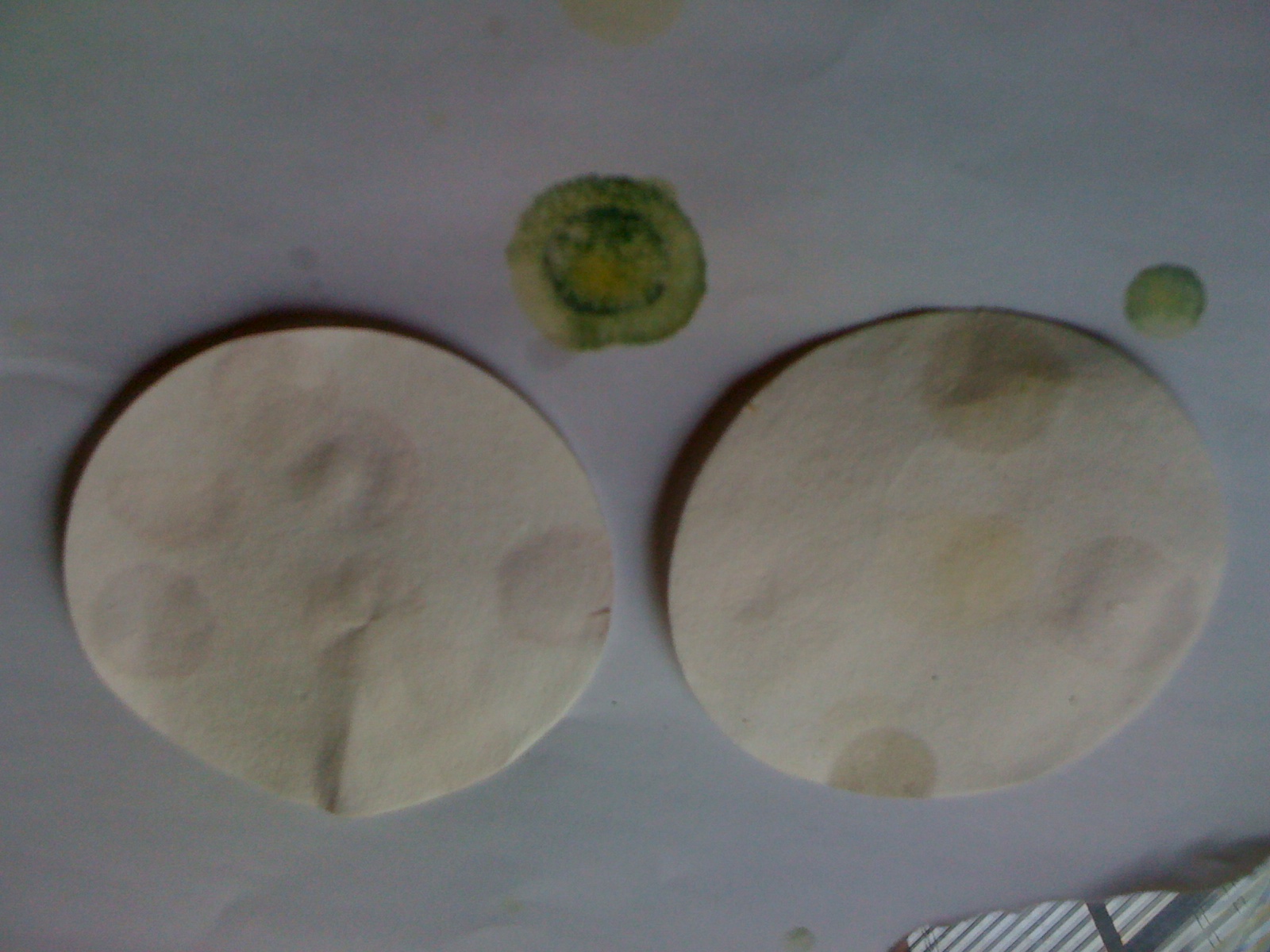
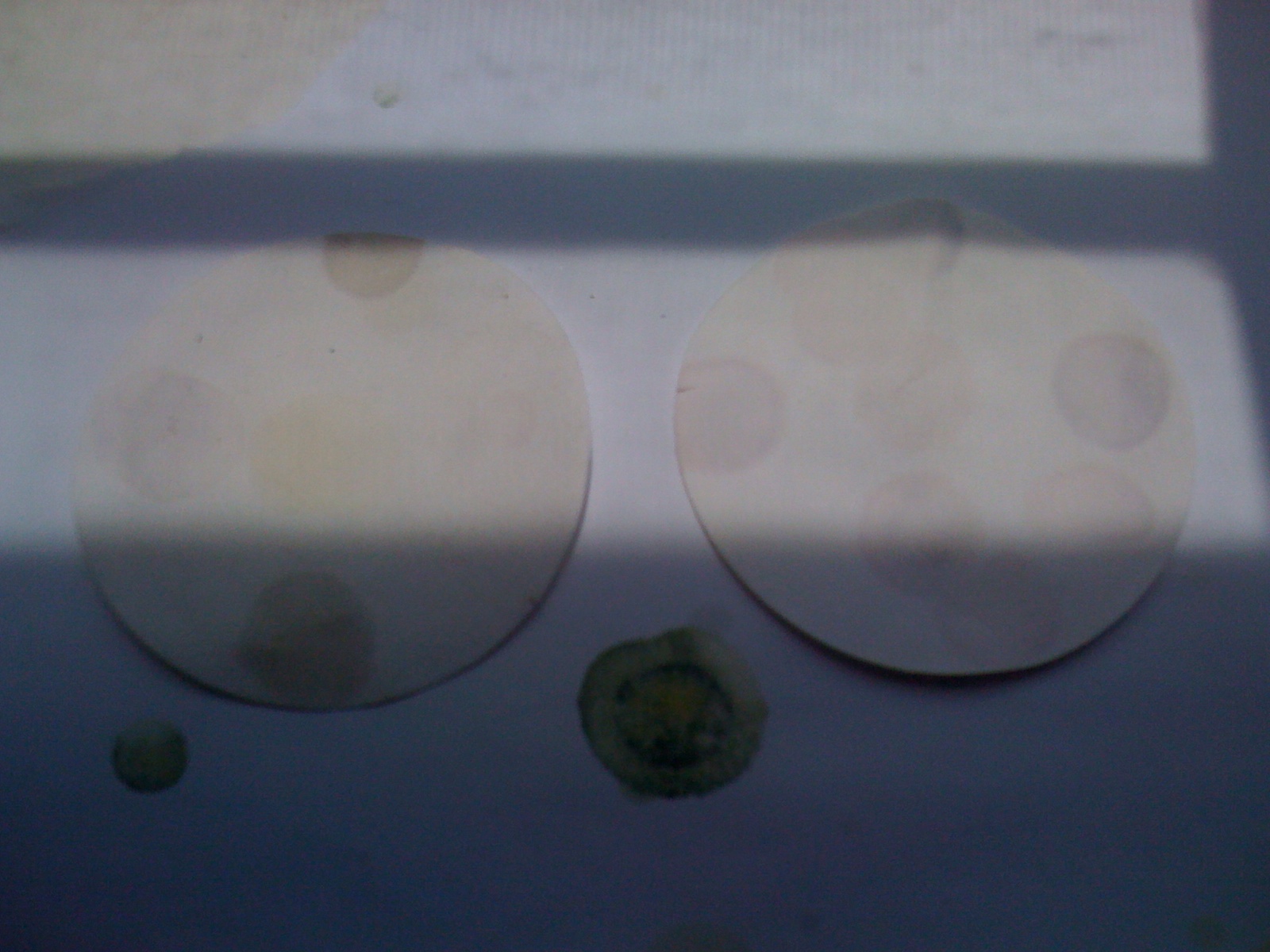
I think its important to know what other organisms might contaminate a submerged culture of claviceps. There is a high osmotic pressure which I believe very few common organisms can live in. The Fungi list is from an indoor distribution, lets assume there are no sources of soil in the room and no animals in the house. The bacteria list is from a study involving a dentists office, whos atmosphere should represent a properly cleaned lab.
Fungi:
Cludosporium (38.8%)
spergillus/Penicillium (19.8%),
Leptosphaeria A (7.9%)
unidentified basidiospores (6.5%)
unidenti-fied ascospores (2.8%)
Ganoderma (2.6%)
Alternaria(1.9%)
Coprinus (1.8%)
Epicoccum (0.3%)
Other unidentified spores (8.9%)
hyphal fragments (6.3%)
bacteria:
Streptococci forming 79.23%
staphylococci/micrococci (15.7%)
corynebacteria (2.3%)
endospore-form-ing bacilli (1.45%),
Gram-negative bacteria (1.31%),
actinomycetes (0.01%).
From what I understand there are practically no viruses which could affect claviceps noticeably. Of all these which do you think are a threat to a submerged culture of claviceps ? Is there a Merck index for organisms, like their environment or range of osmotic pressure?
Fungi:
Cludosporium (38.8%)
spergillus/Penicillium (19.8%),
Leptosphaeria A (7.9%)
unidentified basidiospores (6.5%)
unidenti-fied ascospores (2.8%)
Ganoderma (2.6%)
Alternaria(1.9%)
Coprinus (1.8%)
Epicoccum (0.3%)
Other unidentified spores (8.9%)
hyphal fragments (6.3%)
bacteria:
Streptococci forming 79.23%
staphylococci/micrococci (15.7%)
corynebacteria (2.3%)
endospore-form-ing bacilli (1.45%),
Gram-negative bacteria (1.31%),
actinomycetes (0.01%).
From what I understand there are practically no viruses which could affect claviceps noticeably. Of all these which do you think are a threat to a submerged culture of claviceps ? Is there a Merck index for organisms, like their environment or range of osmotic pressure?
 Degeneration phenomenon of alkaloid-producing strains of Claviceps paspali.pdf