A long while back an old friend shared with me pictures and details of a project he underwent back then. He was extracting cocaine at the time. We can say he was one of the first ones to actually do it and get it right.
After many extractions he started getting sick of the tiring job of separating the kerosene from the leaf mulch and he developed a method involving percolation.
After a while again he was sick of having perform the acid base extraction from the cocaine enriched kerosene too, so he and another friend, with the collaboration of some other member from abroad, decided to design and build an apparatus that was performing the first steps for them.
Well it turn out they made it. The project has been unpublished for a long time but here it is:
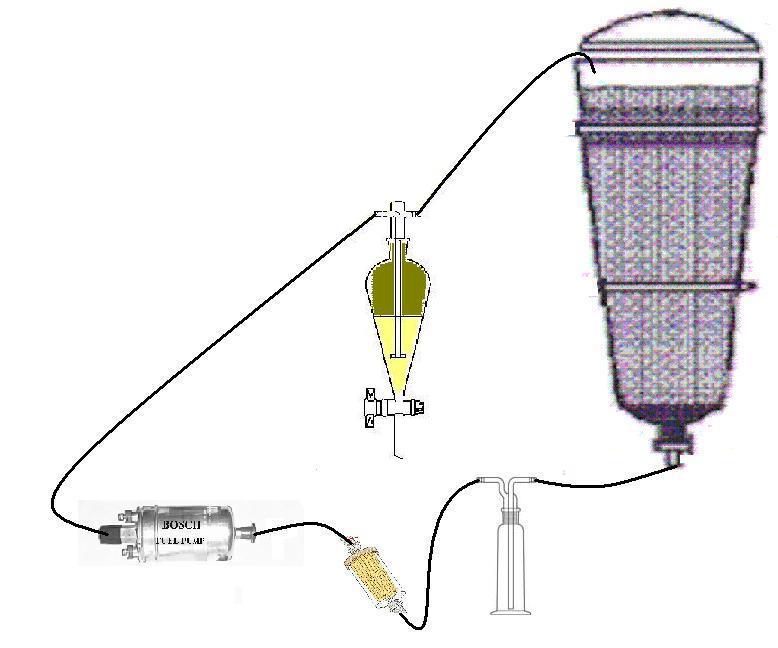
Picture 1 below shows a diagram of the apparatus to automate the extraction process from the leaves and to also automate the extraction into the dilute H2SO4.
A percolator, in this case a beer fermenter, is filled with Coca leaves/tea mixed with water and sodium carbonate in the correct proportions as detailed elsewhere. Kerosene is poured on top and some weight is used to push the coca leaves down.
The kerosene flows from the percolator into a gas washing bottle that is used as water trap (in case any water comes down into the system from the percolator). The kerosene is pulled by a fuel pump though an inline fuel filter, then pushed into a dilute 5% H2SO4 phase inside a sep funnel using a gas dispersion tube with a filtrating disc at the bottom to atomize the the kerosene and aid a better extraction into the acid. The kerosene then collects floating at the top of the sep funnel and is pushed back into the percolator from the top opening. No emulsion forms in this apparatus.
Samples of the acid could be taken at any step by opening the sep funnel stop cock and weighting the amount of base generated by precipitating coca paste from a given measured sample. This was used to calculate roughly how long to let the circulation happen.
This process is basically scalable as much as one wants since there are no more shaking steps which could become complicated when working with bigger amounts of kerosene (like > 20L).
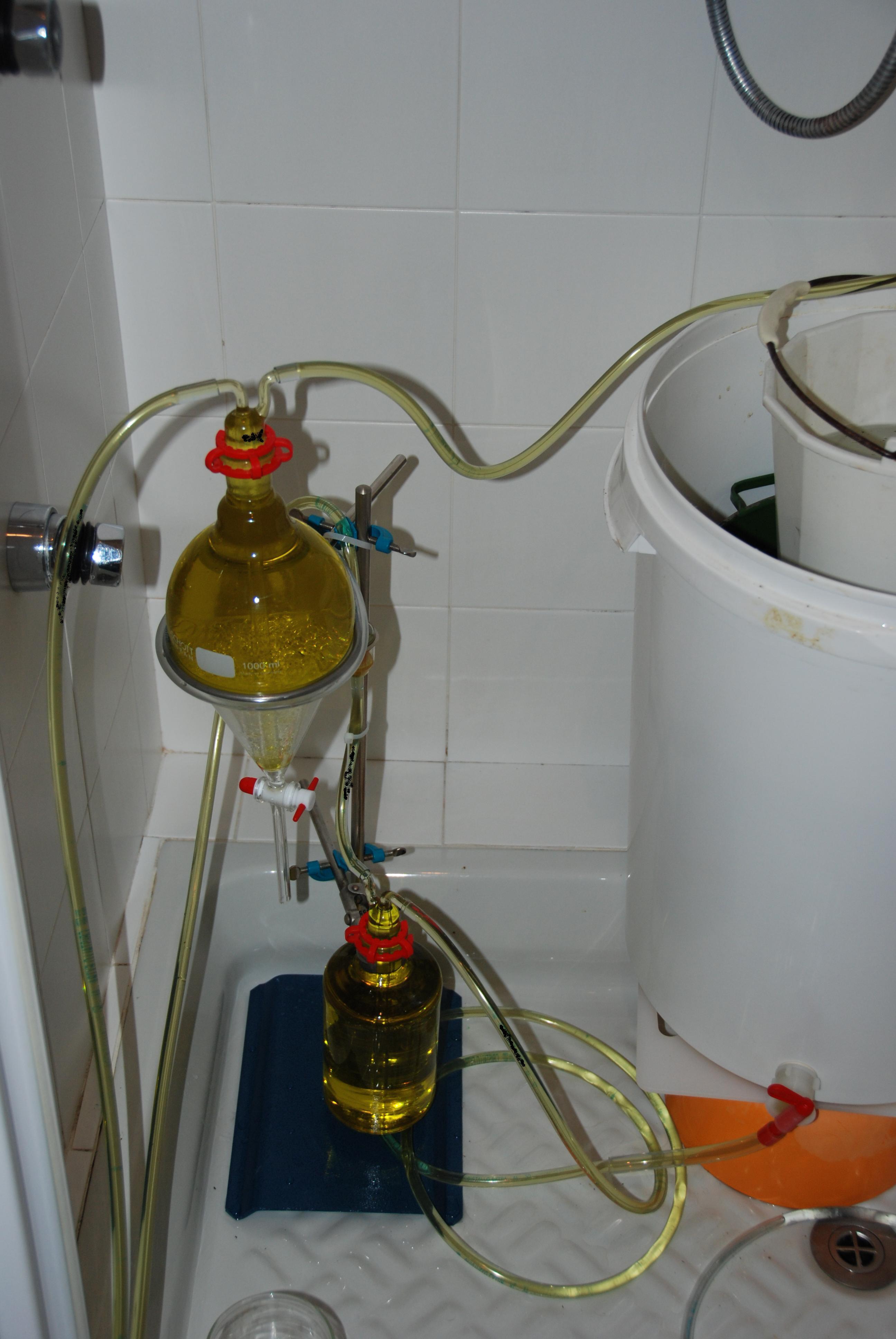
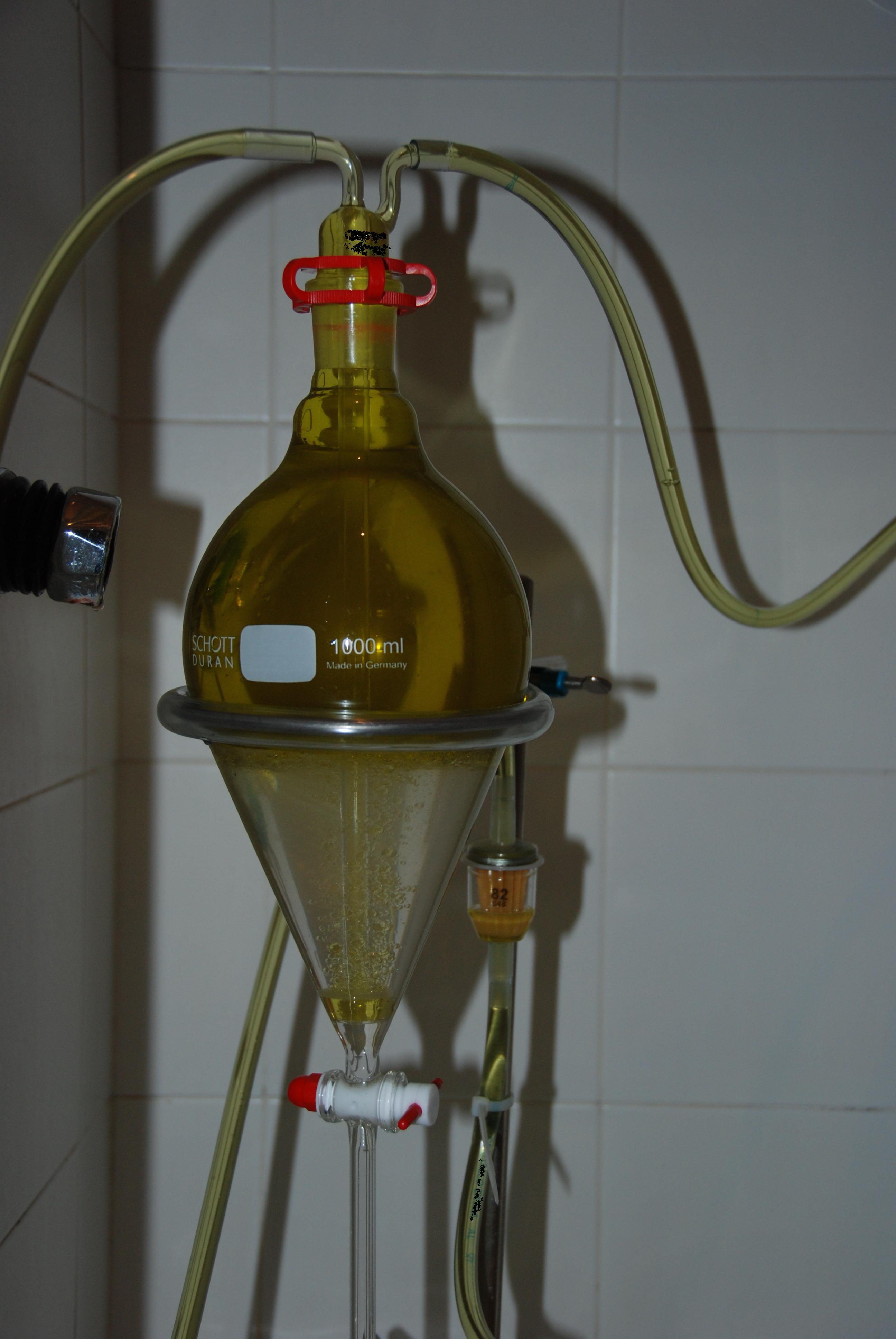
The other pictures (2 and 3) are pictures of the actual equipment used.
The fuel pump was turned on and the system was left circulating fro 12-24 hours. a few samples were taken in between. After this amount of time, the acidic water phase in the sep funnel was drained. It was clear brownish in color and it contained the alkaloids in higher yield then ever before. The process would then continue with the usual purification steps. The big difference was having to deal only with this small acidic solution while letting machines and gravity do the work on the big volumes of leaves and kerosene.
After many extractions he started getting sick of the tiring job of separating the kerosene from the leaf mulch and he developed a method involving percolation.
After a while again he was sick of having perform the acid base extraction from the cocaine enriched kerosene too, so he and another friend, with the collaboration of some other member from abroad, decided to design and build an apparatus that was performing the first steps for them.
Well it turn out they made it. The project has been unpublished for a long time but here it is:
Picture 1 below shows a diagram of the apparatus to automate the extraction process from the leaves and to also automate the extraction into the dilute H2SO4.
A percolator, in this case a beer fermenter, is filled with Coca leaves/tea mixed with water and sodium carbonate in the correct proportions as detailed elsewhere. Kerosene is poured on top and some weight is used to push the coca leaves down.
The kerosene flows from the percolator into a gas washing bottle that is used as water trap (in case any water comes down into the system from the percolator). The kerosene is pulled by a fuel pump though an inline fuel filter, then pushed into a dilute 5% H2SO4 phase inside a sep funnel using a gas dispersion tube with a filtrating disc at the bottom to atomize the the kerosene and aid a better extraction into the acid. The kerosene then collects floating at the top of the sep funnel and is pushed back into the percolator from the top opening. No emulsion forms in this apparatus.
Samples of the acid could be taken at any step by opening the sep funnel stop cock and weighting the amount of base generated by precipitating coca paste from a given measured sample. This was used to calculate roughly how long to let the circulation happen.
This process is basically scalable as much as one wants since there are no more shaking steps which could become complicated when working with bigger amounts of kerosene (like > 20L).
The other pictures (2 and 3) are pictures of the actual equipment used.
The fuel pump was turned on and the system was left circulating fro 12-24 hours. a few samples were taken in between. After this amount of time, the acidic water phase in the sep funnel was drained. It was clear brownish in color and it contained the alkaloids in higher yield then ever before. The process would then continue with the usual purification steps. The big difference was having to deal only with this small acidic solution while letting machines and gravity do the work on the big volumes of leaves and kerosene.


 ...an image of like one 16 years old boy doing the sulfuric acid solution,...taking with his fingers directly from the bottle the last black pure sulfuric acid rests and stirring then with his hands the water,..was totally freaking!